Anion Gap Calculator for Children: How to Interpret Results
Understanding the anion gap
The anion gap is a basic way to examine the relationship between common electrolytes in the blood. It is not a single diagnosis. Instead, it is a helpful clue that helps clinicians evaluate acid-base balance and whether a child may have an underlying problem affecting the blood’s chemistry.
The calculation uses sodium, chloride, and bicarbonate. These values are part of routine serum electrolytes testing and help show the difference between measured positive and negative charges in the blood. That difference is the anion gap.
For parents, the main point is that the anion gap is an interpretive tool. A normal result can be calming, while a high anion gap or low anion gap may point to an acid-base disorder or another issue that needs a closer look. The result makes the most sense when reviewed with the child’s symptoms, the rest of the blood test, and the broader clinical interpretation.
How an anion gap calculator works for children
An Anion Gap Calculator is a simple way to complete the calculation using measurements from a child’s serum chemistry panel or basic metabolic panel. These panels often report sodium, chloride, and bicarbonate, which are the core numbers needed for the formula.
The usual calculation formula is:
Anion gap = sodium − (chloride + bicarbonate)
This formula measures the difference between measured cations and anions in the blood. In practical terms, it provides a snapshot of the child’s electrolyte levels and can function as a diagnostic clue when a clinician is trying to understand abnormal lab results.
Some labs may include potassium in a different version of the calculation, but most routine pediatric interpretation uses the sodium-based formula above. That is why it is important to check the actual lab report and not assume every result follows the exact same method.
The calculator itself does not replace medical judgment. It simply assists present data from the serum chemistry panel. A result should always be interpreted in context with the child’s age, hydration status, symptoms, and any related blood chemistry findings.
Expected anion gap values in pediatrics
There is no single standard normal range for children. The pediatric reference range can differ depending on the lab, the instrument used, and how the lab defines its reference interval. For this reason a result should always be checked with the range printed on the child’s own report.
In pediatrics, slight changes in laboratory variation matter. A value that appears slightly outside one lab’s range may still be considered acceptable in another setting. One reason the anion gap is best viewed as part of a pattern rather than a single number.
Albumin also affects interpretation. Since albumin is a major negatively charged protein in the blood, a child with lower albumin may have a lower measured anion gap even when the acid-base status is otherwise normal. For that reason, the “normal” reading is not always straightforward.
When reviewing pediatric lab results, clinicians often compare the anion gap with other findings such as bicarbonate, sodium, chloride, and the overall clinical picture. The goal is to determine whether the number reflects normal variation or whether it suggests a problem that needs additional assessment.
Which a raised anion gap might indicate
A high anion gap commonly points to that more acid are present in the blood. This can be a sign of metabolic acidosis, which means the body has become overly acidic for different reasons. In children, this can happen in a number of different situations, so the result is a hint rather than a diagnosis.
A frequent cause is lactic acidosis. It may happen when the body is not getting sufficient oxygen, when there is serious illness, or when tissues are under stress and produce more lactate than usual. An additional key cause is ketoacidosis, which can happen when the body makes ketones during not eating, prolonged vomiting, uncontrolled diabetes, or other states where glucose use is disrupted.
Exposure from certain substances can also raise the anion gap. In these cases, the abnormal result is an important signal that urgent medical review may be needed. The exact cause depends on the child’s symptoms, exposure history, and the rest of the blood chemistry pattern.
A high result is more concerning when it appears together with signs of illness such as rapid breathing, sleepiness, poor feeding, confusion, or significant dehydration. The number itself does not tell the whole story, but it can be an important early warning sign.
When a high anion gap is seen, clinicians usually consider the child’s age, medical history, risk factors, and the rest of the laboratory picture. That broader view helps determine whether the result reflects a short-term change or a more serious cause beneath the surface.
What exactly a lower anion gap may mean
A lower anion gap is less common than a high one, and it often warrants careful review. One common explanation is hypoalbuminemia, meaning the blood albumin level is low. Since albumin plays a role in the normal electrical balance in blood, a lower level can reduce the measured gap.
Another possibility is laboratory error. Because the anion gap is derived from measured values, any issue in sodium, chloride, or bicarbonate measurement can change the final result. This is one reason a repeat test may be ordered if the result does not match the child’s condition.
Less commonly, a low gap may be associated with paraproteinemia, which involves abnormal proteins in the blood. While this is not a frequent pediatric finding, it is part of the broader differential when clinicians interpret unusual lab patterns.
A low result can also appear in the setting of an electrolyte imbalance. The value alone is not enough to determine the cause, so the result should be interpreted with the rest of the blood chemistry panel and the child’s symptoms.
For most families, the main takeaway is that a low anion gap is often a prompt to review again the numbers, confirm albumin status, and make sure no important issue is being missed.
How serum albumin changes the anion gap
Serum albumin plays a significant effect on the anion gap because it is one of the most essential negatively charged proteins in circulation. When albumin is below normal than expected, the measured gap may also be lower, even if the child’s actual acid-base status is NAGMA causes not dramatically changed.
That is why clinicians sometimes use albumin correction. The idea is to adjust the result based on the child’s serum albumin level so the number better reflects the true situation. The adjusted value is called the corrected anion gap.
Albumin correction matters because albumin is part of the body’s binding protein system and helps contribute to the balance of charged particles in the blood. If albumin is low, the uncorrected anion gap may fail to show a hidden acid problem. In that setting, the corrected value can provide a better interpretation.
Different laboratories and clinicians may use slightly different calculation factor methods, so the exact adjusted result may differ. That is another reason Helpful hints it helps to read the lab report alongside professional guidance rather than relying on a calculator alone.
For children with low albumin, the corrected number can be especially useful when evaluating possible metabolic acidosis or other acid-base disturbances. It helps place the lab results into a more meaningful context.
When you should seek medical evaluation
An anion gap result should be viewed together with the child’s overall condition. If there are alarming symptoms, a quick medical evaluation may be needed rather than waiting for routine follow-up. This is especially true if the child seems more unwell than the number alone would suggest.
Watch for signs such as dehydration, ongoing vomiting, excessive drowsiness, breathing quickly, confusion, poor intake, or increasing weakness. These can suggest a problem with acid-base balance or another condition that needs evaluation. A high or low result is more important when it matches a child who does not seem well.
Seek urgent care if the child has serious symptoms, cannot keep fluids down, has trouble breathing, is difficult to wake, or has a history that raises concern for poisoning, diabetes-related illness, or serious infection. In those situations, the anion gap is only one part of the picture, but it may assist with the urgency of care.
If the child looks well and the result is only mildly abnormal, the next step may be repeat testing or a review with the pediatric clinician. The decision depends on the full lab pattern, the examination, and whether the abnormality continues.
In general, the best approach is to use the Anion Gap Calculator as a practical resource, not a substitute for care. The result can assist decision-making, but it should always be paired with symptom check, history, and follow-up when needed.
Frequently asked questions about anion gap calculation in children
How is the anion gap in children?
The anion gap is a formula based on blood electrolytes that helps estimate acid-base balance. In children, it is used as part of pediatric lab tests to look for clues about metabolic problems, especially when the clinician is reviewing blood chemistry results.
How can you determine the anion gap from a blood test?
It is usually calculated from a serum chemistry panel or basic metabolic panel using sodium minus the sum of chloride and bicarbonate. This calculation provides a quick snapshot of the difference between measured blood ions and can help with clinical interpretation.
What would be a normal anion gap for a child?
The reference range depends on the laboratory and method used, so there is not one universal pediatric number. Always compare the result with the child’s lab report and the lab’s own normal values. Small differences can reflect laboratory variation rather than disease.
Why does a high anion gap in children?
A high anion gap can happen with metabolic acidosis, including lactic acidosis, ketoacidosis, and certain types of poisoning. It is a useful diagnostic clue, but the cause must be identified by looking at symptoms, history, and the rest of the lab results.
How does low albumin change the anion gap?
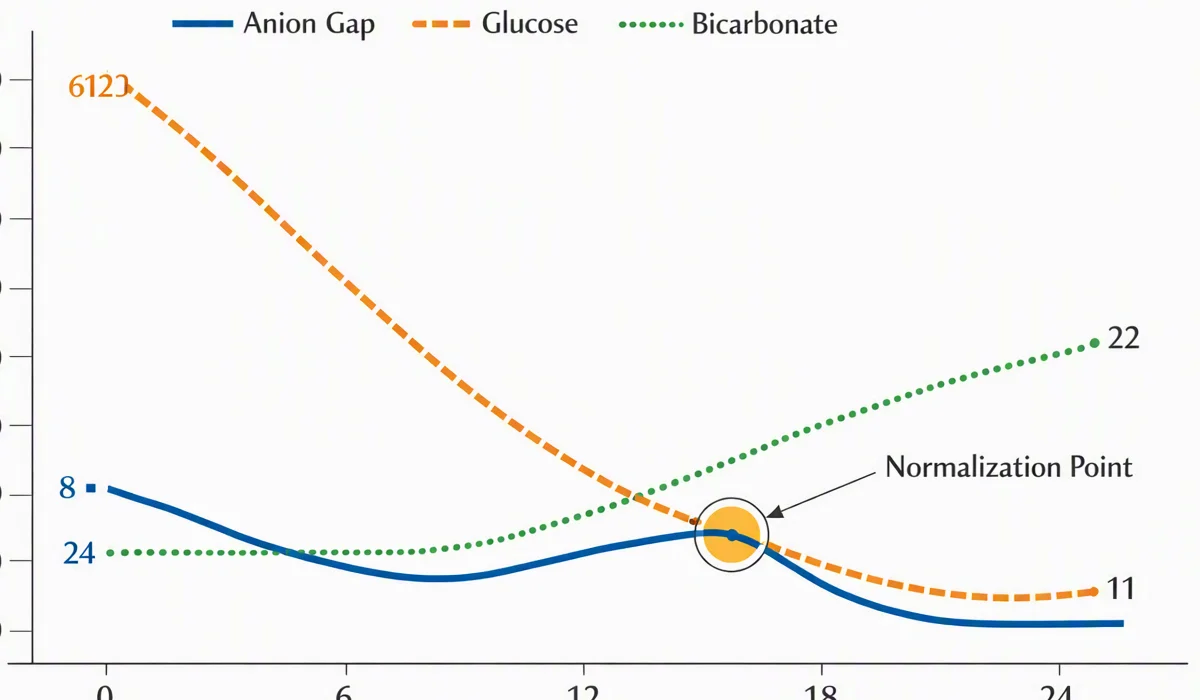
Albumin carries negative charge in the blood, so when albumin is low, the measured gap can fall. This is why hypoalbuminemia can produce a low anion gap. In some cases, clinicians use albumin correction to calculate a corrected anion gap that better reflects the child’s true status.